Live casino games represent a significant evolution in online gambling, offering a bridge between the convenience of digital play and the immersive atmosphere of a physical casino. For players considering this format, understanding the underlying mechanics and the practicalities of the experience is crucial. This involves grasping how real-time action is delivered, the role of human dealers, and the interactive elements that define these sessions. The decision to engage with live casino games often hinges on a desire for authenticity, transparency, and social interaction not always present in purely software-driven online alternatives. This guide details the operational aspects and sets clear expectations for participants.
Operational Foundation of Live Casino Games
The core functionality of live casino games relies on sophisticated streaming technology combined with specialized studio setups. Unlike traditional online casino games that use Random Number Generators (RNGs) for outcomes, live games feature human dealers managing physical equipment—cards, roulette wheels, or dice—in real-time. These actions are captured by multiple high-definition cameras positioned around the game table and broadcast directly to players' devices.
Key technological components include:
- High-Definition Video Streaming: Ensures clear visual and audio transmission from the studio to the player, often with adjustable quality settings to accommodate varying internet speeds.
- Optical Character Recognition (OCR) Software: This technology reads the physical outcomes of the game, such as the value of cards dealt or the number a roulette ball lands on. This data is then instantly converted into digital format, allowing the game interface to display results and process bets accurately.
- Game Control Unit (GCU): A small, often overlooked device attached to each game table. The GCU is responsible for encoding the video broadcast and assisting the dealer in managing the game, ensuring that all actions are correctly registered and displayed to players.
- User Interface (UI): Players interact with the game through a digital overlay on their screen. This UI allows them to place bets, view game statistics, and communicate with the dealer or other players via a chat function.
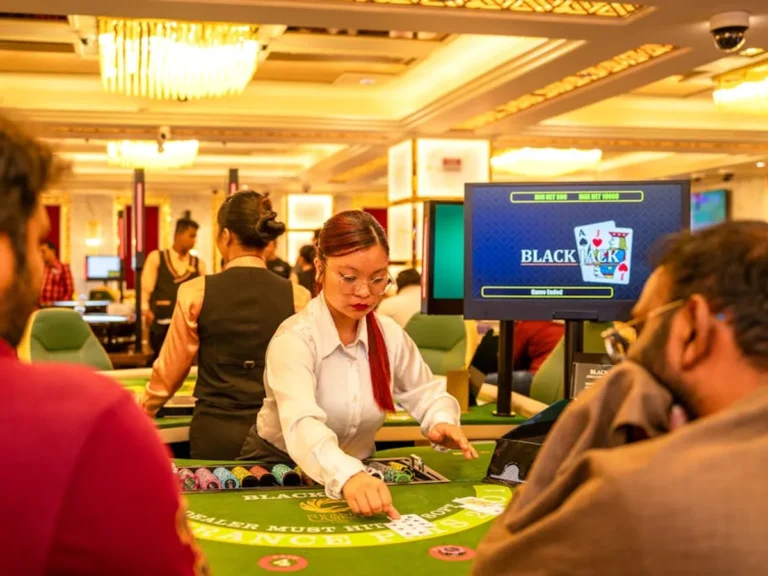
The role of the live dealer is central. They manage the game flow, interact with players, and follow established casino protocols, contributing directly to the authenticity of the experience.
The Player Experience: What to Anticipate
Engaging with live casino games offers a distinct set of characteristics that differentiate it from other online gambling formats. Expectations should be aligned with these operational realities.
Game Variety and Pacing
Live casino platforms typically offer a broad spectrum of classic table games, including blackjack, roulette, baccarat, and poker variants. Beyond these staples, many providers also feature innovative "game show" style offerings, which integrate elements of popular TV shows with casino mechanics. The pacing of live games is generally slower than their RNG counterparts because it mimics a physical casino environment, allowing time for bets, card deals, and wheel spins. This deliberate speed can appeal to players who prefer a less rushed, more strategic approach.
Interaction and Transparency
A primary draw is the ability to interact with the dealer and sometimes other players through a live chat box. Dealers often respond verbally to chat messages, fostering a more social and personalized atmosphere. This direct line of communication also enhances transparency; players can observe every action of the dealer and the game equipment, which builds trust in the fairness of the outcomes.
Betting Structures and Accessibility
Live casino games cater to a wide range of budgets, offering tables with varying minimum and maximum betting limits. This accessibility ensures that both casual players and high rollers can find suitable options. Platforms are designed to be accessible across multiple devices, including desktop computers, tablets, and smartphones, ensuring a consistent experience regardless of the access point, provided a stable internet connection is maintained.
Pro Tip: Before committing real money, observe a few rounds of your chosen live game. This allows you to familiarize yourself with the dealer's pace, the betting interface, and the specific rules without financial risk. Many platforms allow this "spectator mode" to help new players acclimate.
Selecting a Live Casino Environment
Choosing a live casino platform involves evaluating several critical factors to ensure a secure and enjoyable experience. Focus on providers that demonstrate reliability and player-centric features.
Licensing and Regulatory Compliance
Prioritize platforms that hold valid licenses from reputable gambling authorities. These licenses ensure that the operator adheres to strict standards for fairness, security, and responsible gaming. Regulatory bodies conduct regular audits and oversee operations, providing a layer of protection for players.
Software Providers and Game Selection
The quality and variety of live games are largely determined by the software providers a platform partners with. Leading providers are known for their high-quality streams, professional dealers, and innovative game offerings. A diverse game library, including different variants of popular games, indicates a robust selection.
Customer Support and Payment Systems
Effective customer support, available through multiple channels (live chat, email, phone) and responsive during peak hours, is essential for resolving any technical or account-related issues. Additionally, evaluate the range of secure payment methods offered, considering deposit and withdrawal limits, processing times, and any associated fees.
Optimizing Your Live Casino Engagement
To fully benefit from live casino games, players can adopt certain practices:
Understand Game Rules Thoroughly: Each game has specific rules and optimal strategies. Familiarize yourself with these before playing to improve your decision-making and overall enjoyment.
Manage Your Bankroll: Set a budget for your gaming sessions and adhere to it. Responsible bankroll management prevents overspending and ensures that gaming remains an entertainment activity.
Maintain Etiquette: While interacting with dealers and other players, maintain respectful and courteous communication. The chat function is for game-related communication, not personal attacks or inappropriate language.
Ensure Stable Internet Connection: Live streaming requires a consistent and reliable internet connection. A stable connection prevents disconnections during critical moments, which can disrupt gameplay and potentially lead to missed betting opportunities.
Navigating the Live Casino Landscape
Live casino games offer a compelling blend of technology and human interaction, delivering an experience that closely mirrors a land-based casino from any location. By understanding the operational mechanisms, managing expectations regarding game pace and interaction, and making informed choices about platforms, players can engage with this dynamic form of online entertainment effectively. The emphasis on transparency and real-time dealer interaction distinguishes live casino offerings, making them a preferred choice for those seeking a more authentic and social online gambling environment.
Frequently Asked Questions
Are live casino games fair?
Yes, live casino games are generally considered fair. They use physical cards, roulette wheels, and dice, operated by human dealers, which can be observed in real-time via video stream. Reputable platforms are licensed and regulated, meaning their operations, including the fairness of their games, are regularly audited by independent third parties.
What kind of internet connection do I need for live casino games?
A stable and relatively fast internet connection is crucial. A minimum download speed of 5-10 Mbps is often recommended to ensure smooth, uninterrupted high-definition streaming. Using a Wi-Fi connection with good signal strength or a wired Ethernet connection is preferable to mobile data for consistency.
Can I play live casino games on my mobile device?
Most modern live casino platforms are fully optimized for mobile play. They offer responsive designs that adapt to smaller screens or dedicated mobile apps for iOS and Android devices, allowing players to access games with full functionality on smartphones and tablets.
Can I interact with the dealer?
Yes, interaction with the live dealer is a key feature. Most live casino games include a chat box where players can type messages or questions to the dealer. Dealers often respond verbally in real-time, creating a more personalized and engaging experience. Some games also allow interaction with other players at the table.