Live casino games represent a significant evolution in the online gaming sector, bridging the gap between traditional brick-and-mortar casinos and digital platforms. For businesses operating or considering entry into this space, understanding the complete scope of live casino offerings is critical for strategic development and market positioning. These games are characterized by real human dealers conducting games in real-time, streamed directly to players via high-definition video feeds. This format introduces a layer of authenticity and social interaction that distinguishes it from purely software-driven online casino games, influencing player engagement, trust, and ultimately, commercial viability.
Understanding Live Casino Games
At their core, live casino games replicate the physical casino experience. Players interact with a live dealer who shuffles cards, spins roulette wheels, or manages other game mechanics, all from a dedicated studio or, less commonly, a physical casino floor. This interaction occurs through a digital interface that allows players to place bets, communicate with the dealer via chat, and sometimes interact with other players at the virtual table. The distinction from traditional online casino games, which rely on Random Number Generators (RNGs) to determine outcomes, is fundamental. Live games offer verifiable, physical outcomes, fostering a higher degree of trust and immersion for players.
Key components enabling this experience include:
- High-Definition Video Streaming: Ensures clear, real-time visuals of the game and dealer.
- Optical Character Recognition (OCR) Software: Translates physical actions (e.g., card values, roulette wheel results) into digital data for the player interface.
- Game Control Unit (GCU): A small, embedded device attached to every table game, crucial for encoding video and assisting the dealer.
- Interactive Chat Functionality: Allows players to communicate with the dealer and sometimes other players, enhancing the social aspect.
Core Mechanics and Technology
Studio Setup and Broadcast
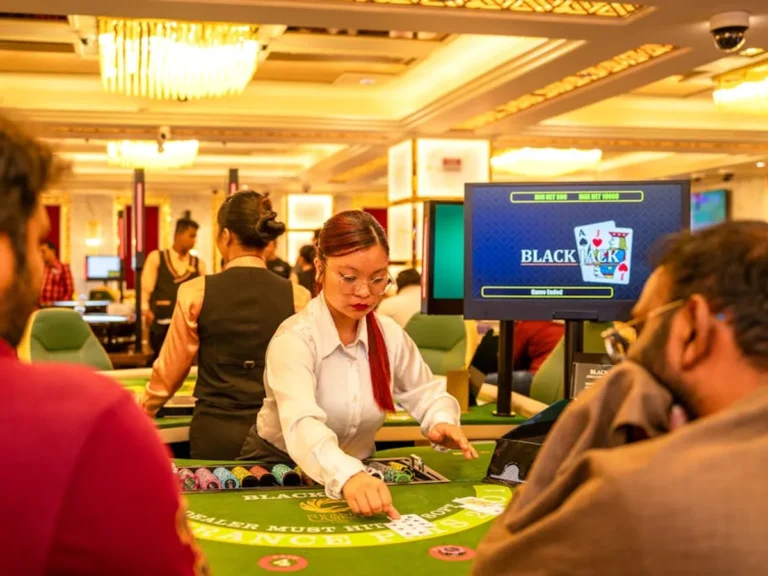
Live casino operations typically run from purpose-built studios designed to mimic a casino environment. These studios house multiple gaming tables, each with a professional dealer, high-resolution cameras, and lighting setups. The broadcast infrastructure is robust, requiring significant bandwidth to deliver uninterrupted, low-latency video streams to a global audience. The entire setup is monitored by pit bosses and technical staff to ensure fair play, smooth operation, and immediate resolution of any technical issues. The physical environment is controlled to prevent external interference and maintain game integrity.
Software and User Interface
The player-facing software integrates the live video feed with a digital betting interface. This interface allows players to place bets, view game history, manage their account balance, and access game rules. The software must be intuitive, responsive, and compatible across various devices, including desktop computers, tablets, and smartphones. Backend systems manage bet processing, payment gateways, and player data, ensuring secure and efficient transactions. The integration of OCR technology is paramount, as it accurately converts physical game events into digital information displayed on the player's screen, ensuring transparency and synchronicity.
Dealer Interaction and Game Flow
The dealer is central to the live casino experience. They are professionally trained in game rules, etiquette, and engaging with players. Dealers manage the game flow, announce results, and respond to player queries via the chat function. The pace of live games is generally slower than RNG games due to the physical actions involved and the need for player betting windows, which often appeals to players seeking a more measured, traditional casino experience. The human element introduces a dynamic and unpredictable aspect that automated games lack, fostering a stronger sense of presence and connection.
Popular Live Casino Game Categories
Table Classics
The foundation of live casino offerings remains the classic table games found in physical casinos. These include:
- Live Blackjack: Often features multiple seats per table, side bets, and sometimes 'bet behind' options.
- Live Roulette: European, American, and French variants are common, with diverse betting options and often multiple camera angles.
- Live Baccarat: Popular in Asian markets, often with squeeze functionality and various roadmaps for tracking past results.
- Live Poker Variants: Casino Hold'em, Three Card Poker, and Caribbean Stud Poker, where players compete against the house rather than each other.
Game Shows and Novelty Formats
Beyond traditional table games, live casino providers have innovated with game show-style formats. These games often feature large, colorful wheels, engaging hosts, and bonus rounds, appealing to a broader audience who might not typically engage with classic casino games. Examples often include money wheel games, where players bet on the segment the wheel will stop on, or variations that integrate popular board game mechanics into a live format. These offerings prioritize entertainment value and communal experience, often with higher production values.
Regional and Niche Games
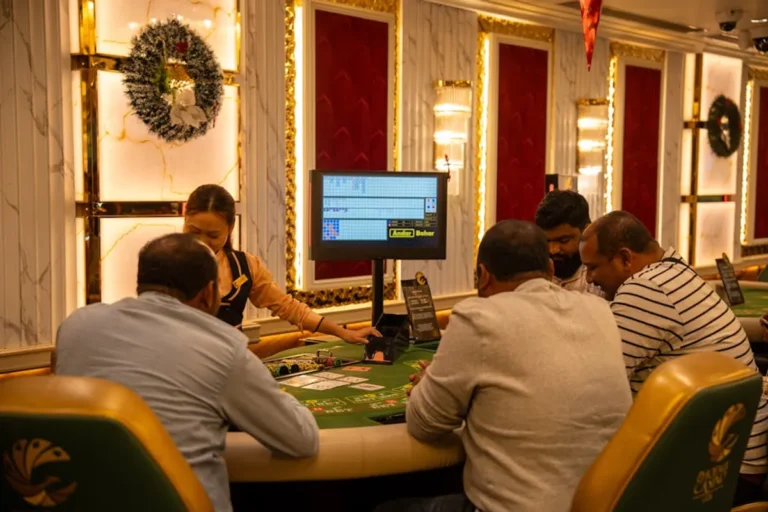
To cater to diverse international markets, live casinos also offer games popular in specific regions. This includes games like Sic Bo (a dice game popular in Asia), Andar Bahar, and Teen Patti (card games popular in India). Offering these niche games allows operators to penetrate specific markets more effectively by providing culturally relevant content, which can significantly boost local player acquisition and retention rates.
Pro Tip: Ensuring robust, low-latency streaming infrastructure is paramount for live casino operations. Any significant delay or interruption directly impacts player experience, leading to frustration and potential loss of engagement. Invest in scalable CDN solutions and redundant server capacity to maintain service quality under peak demand.
Commercial Implications for Operators
Player Engagement and Retention
Live casino games consistently demonstrate higher player engagement metrics compared to RNG-based alternatives. The real-time interaction, human element, and transparent game outcomes foster a deeper sense of trust and entertainment. This translates into longer session times, increased average revenue per user (ARPU), and improved player retention rates. Operators can leverage the social aspect and the perceived fairness to build a loyal player base.
Trust and Transparency
The visual verification of game outcomes—seeing the cards dealt or the roulette ball land—eliminates concerns about algorithmic manipulation that some players harbor regarding RNG games. This transparency is a significant selling point, particularly for new players or those hesitant about online gambling. Operators can explicitly market this aspect to build credibility and attract a wider audience.
Operational Costs and Infrastructure
While the commercial benefits are substantial, operating live casino games involves considerable investment. This includes the cost of studio setup, high-definition cameras, professional dealers, pit bosses, technical staff, and robust streaming infrastructure. Ongoing operational expenses cover dealer salaries, studio maintenance, software licensing, and bandwidth. These costs are higher than those associated with purely digital game portfolios, requiring careful financial modeling and a clear strategy for return on investment.
Regulatory Compliance
Offering live casino games necessitates strict adherence to various regulatory frameworks across different jurisdictions. This includes obtaining specific licenses, implementing responsible gambling measures, ensuring fair play, and complying with data protection laws. The complexity is compounded by the real-time nature of the games and the potential for cross-border operations. Operators must navigate a patchwork of regulations, often requiring localized legal expertise and continuous monitoring of compliance standards.
Strategic Considerations for Implementation
For any entity looking to integrate or expand live casino offerings, several strategic points require attention. Platform integration must be seamless, allowing players to transition between different game types without friction. The selection of game providers is crucial, as quality of stream, dealer professionalism, and game variety directly impact player satisfaction. Marketing efforts should highlight the unique selling points of live games, such as authenticity and interaction, targeting audiences who value these aspects. Furthermore, customer support needs to be equipped to handle real-time issues that may arise during live gameplay, requiring faster response times and specialized knowledge compared to support for asynchronous game types.
Maximizing Your Live Casino Offering
Successfully integrating and operating live casino games requires a multi-faceted approach that balances technological investment with player experience. Focus on high-quality streaming, professional dealer training, and a diverse game portfolio that caters to various player preferences. Emphasize the transparency and interactive elements in your marketing. Continuously monitor player feedback and technological advancements to ensure your offering remains competitive and engaging. Understanding the operational complexities and regulatory landscape from the outset will position your platform for sustained growth and player loyalty in this dynamic sector.
Frequently Asked Questions
How do live casino games differ from traditional online casino games?
Live casino games feature real human dealers conducting games in real-time via video stream, offering physical outcomes. Traditional online casino games use Random Number Generators (RNGs) to determine outcomes without a human dealer or live broadcast.
What technology powers live casino games?
Key technologies include high-definition video streaming, Optical Character Recognition (OCR) software to digitize physical game actions, and Game Control Units (GCUs) embedded in tables to assist dealers and encode data.
Are live casino games fair?
Yes, live casino games are generally considered fair because players can visually observe the game's physical outcome (e.g., cards being dealt, roulette wheel spinning). They are also subject to strict regulatory oversight and auditing by licensing bodies.
What are the key benefits for players in live casino games?
Players benefit from an authentic casino atmosphere, real-time interaction with dealers and sometimes other players, enhanced trust through visual verification of game outcomes, and a more immersive and engaging gaming experience.