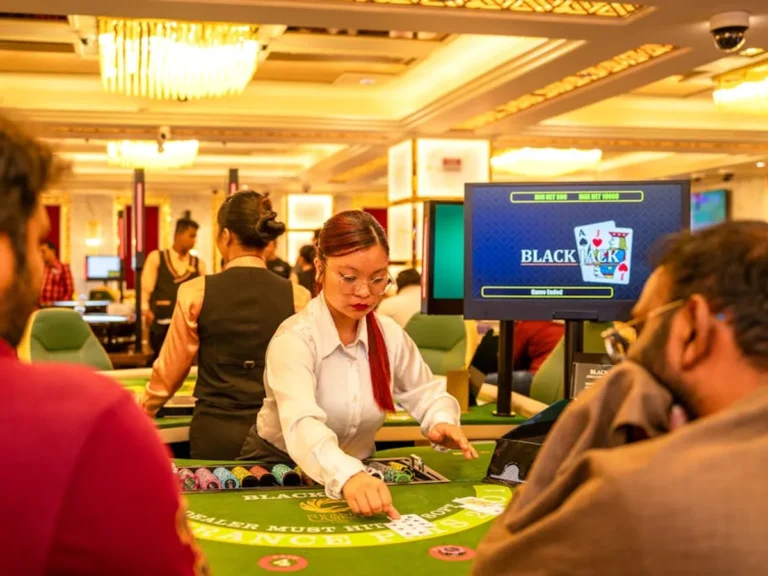
Korean gambling law has specific structure that reflects substantial cultural patterns. The patterns warrant examination beyond technical legal description. The law is not just rules but the institutionalization of substantial cultural thinking about gambling, social order, and individual welfare.
This essay attempts to examine Korean gambling law as cultural artifact as well as legal framework. The reading rewards sustained attention to both elements.
The basic legal framework
Korean gambling law is structured through several key elements:
The Criminal Code Article 246 prohibits gambling generally, with specific exceptions.
The Tourism Promotion Act regulates foreign-only casinos that operate in major Korean tourist destinations.
The Special Act on the Assistance to the Development of Abandoned Mine Areas creates the Kangwon Land exception.
The Korea Lotto and similar legal lottery institutions operate under specific authorizations.
Sports betting (toto) operates through specific government-licensed channels.
Horse racing operates under specific framework.
Online gambling is generally prohibited; this prohibition is broadly enforced including against foreign sites accessed by Korean residents.
The framework is restrictive overall with specific exceptions reflecting specific policy purposes.
What the structure reveals
The framework structure reflects specific Korean thinking:
Gambling is treated as inherently problematic. The default position is prohibition; exceptions require specific justification.
Korean citizens are protected differently from foreign visitors. The foreign-only casino structure assumes that protecting Korean citizens from gambling problems is more important than protecting foreign visitors.
Specific economic justifications can override general prohibition. Tourist development, regional economic development, and tax revenue justify specific exceptions.
State involvement is substantial. Gambling that exists is substantially state-licensed, state-regulated, or state-operated rather than purely private.
Online gambling receives specific attention. The prohibition extends to online gambling in ways that some other restrictive frameworks don't prioritize.
The structure reflects sustained policy thinking about gambling as a social rather than purely individual matter.
The Confucian inheritance
Korean attitudes toward gambling reflect substantial Confucian inheritance:
Confucian thinking treated gambling as social vice — destructive to family welfare, productive of inequality, undermining social order.
The family-centeredness of Confucian ethics meant gambling was specifically problematic when it caused family destruction. Individual losses were not just individual matters; they affected entire family welfare.
The emphasis on diligence and productive work created specific resistance to the unproductive nature of gambling. Wealth gained through gambling was suspect compared with wealth gained through work.
The respect for elders and family hierarchy meant gambling-related shame was substantial. Family members affected by gambling problems faced specific kinds of social difficulty.
Modern Korean society has substantially modernized but retains substantial Confucian cultural inheritance. Contemporary attitudes toward gambling reflect this inheritance.
The colonial and post-colonial period
Korean gambling regulation took specific shape during and after the Japanese colonial period:
Japanese colonial rule introduced specific gambling regulation reflecting Japanese policy approaches at the time.
The post-colonial Korean state developed its own framework, with specific attention to issues that the colonial period had created.
Korean economic development from the 1960s through 1990s involved substantial state direction. Gambling regulation reflected this state-directed economic approach.
Specific economic crises (most notably the 1997 Asian financial crisis) shaped subsequent gambling policy. The Kangwon Land authorization (with full operations beginning 2000) was partly response to economic conditions in abandoned mining areas affected by broader economic difficulties.
The post-1997 period also saw substantial expansion of online services generally; online gambling regulation became substantial issue during this period.
Modern Korean gambling law reflects accumulated layers from these different periods.
The foreign-only casino structure
The foreign-only casino structure is specifically interesting:
Multiple casinos operate in Korea (in Seoul, Busan, Incheon, and Jeju) that admit only foreign passport holders.
The structure reflects a deliberate policy choice — Korean citizens are protected from domestic casino access while foreign tourists can gamble.
The structure has specific implications. It creates Korean tax revenue and employment from foreign gambling without exposing Korean citizens to gambling availability.
The structure creates specific arbitrage. Korean citizens who travel abroad to gamble face the same family welfare risks as Korean citizens gambling domestically would, but the Korean state has limited ability to address the foreign gambling.
The structure also creates specific policy questions about how to handle Korean nationals with foreign citizenship — they technically can use the foreign-only casinos, raising specific questions about effective enforcement.
The framework reflects substantial sophistication about the policy trade-offs.
The online gambling prohibition
The Korean approach to online gambling is specifically substantial:
Online gambling is prohibited including foreign sites accessed by Korean residents.
Enforcement involves specific technical measures including site blocking and payment processing restrictions.
Specific Korean banks and payment processors face restrictions on gambling-related transactions.
The prohibition applies broadly across casino games, sports betting (outside the licensed toto channels), and other online gambling.
Enforcement is substantial but not complete. Korean residents can access offshore gambling through various means despite the restrictions.
The Korean approach is more restrictive than many comparable jurisdictions. The contrast with other Asian markets (where online gambling sometimes operates more openly) is substantial.
The lottery and sports betting framework
The legal gambling channels available to Korean citizens have specific structure:
Korea Lotto offers various lottery products under specific authorization. Substantial revenue goes to social programs and specific public benefits.
Sports betting (toto) operates through specific licensed channels. The product range is more restricted than in some markets.
Horse racing operates under specific Korea Racing Authority framework.
The legal channels reflect a deliberate "regulated alternative" approach — providing limited legal gambling to channel some of the gambling demand that would otherwise go to illegal markets, while substantially restricting overall gambling activity.
The legal channels generate substantial state revenue and fund specific programs. The state interest in maintaining these channels is partially in tension with the state interest in restricting gambling generally.
The enforcement patterns
Enforcement of Korean gambling law shows specific patterns:
Substantial enforcement against illegal gambling operations including underground casinos and illegal sports betting.
Substantial enforcement against organized crime involvement in gambling.
Targeted enforcement against high-profile individual cases (entertainers, public figures with gambling issues).
Less aggressive enforcement against ordinary Korean citizens who participate in foreign gambling — practical enforcement limits exist.
Substantial international cooperation including with Macau and other jurisdictions on issues affecting Korean citizens.
The enforcement patterns reflect prioritization rather than uniform application. The framework targets specific concerns most aggressively.
What contemporary patterns reveal
Contemporary patterns in Korean gambling law and enforcement reflect ongoing evolution:
Continued expansion of online gambling enforcement as technology evolves.
Continued debate about Kangwon Land authorization renewal.
Continued discussion of whether to develop Korean integrated resort policy similar to Singapore or Japan models.
Continued attention to problem gambling treatment infrastructure.
Continued evolution of advertising restrictions on legal gambling channels.
The framework continues to evolve. The pace is slow; the direction reflects continued substantial restriction with specific managed exceptions.
What the cultural patterns suggest
The cultural patterns embedded in Korean gambling law suggest specific things:
Korean society maintains substantial cultural concern about gambling that has not been substantially eroded by modernization.
The family-welfare concerns inherited from Confucian thinking continue to shape policy.
The state's role in protecting individuals (sometimes from themselves) reflects broader Korean cultural patterns about state-individual relationship.
The specific economic considerations that drive exceptions (tourism, regional development, tax revenue) operate within substantial limits.
The cultural patterns will likely continue to shape policy evolution. Substantial liberalization is not visible on policy horizons.
What the international comparisons reveal
Comparing Korean approach with other frameworks reveals:
Korea is among the more restrictive major economies in gambling regulation.
The foreign-only structure is unusual but not unique. Specific other jurisdictions have similar approaches.
The Kangwon Land exception with substantial restrictions is a specific Korean innovation that has influenced other policy thinking.
The online gambling prohibition is among the more substantial in major economies.
The sustained attention to problem gambling infrastructure compares favorably with many jurisdictions.
The Korean approach offers specific lessons about how cultural concerns can be institutionalized in regulatory framework.
What contemporary debate looks like
Contemporary Korean gambling policy debates include:
Whether to authorize integrated resort developments — substantial discussion has occurred but no substantial movement.
Whether to expand or restrict Kangwon Land — periodic legislative review provides recurring opportunity.
How to address online gambling more effectively given technical evolution.
How to balance economic considerations against social welfare concerns.
How to handle Korean nationals' overseas gambling activity.
How to update legal gambling channels (lottery, sports betting) as the broader market evolves.
The debates continue without substantial resolution. The framework maintains substantial continuity with incremental adjustments.
What sustained attention reveals
The patient examination of Korean gambling law reveals substantial substantive policy thinking that surface coverage misses:
The framework is not arbitrary; it reflects sustained engagement with difficult questions.
Cultural patterns substantially shape what regulatory approaches are politically feasible.
The framework represents one specific equilibrium among possible approaches to gambling regulation.
The continued debate reflects the genuine difficulty rather than policy failure.
The framework offers substantial learning for any policy environment considering similar questions.
What this analysis suggests
The analysis suggests specific things:
Cultural patterns matter substantially in gambling regulation. Frameworks that don't engage with cultural context produce different outcomes than frameworks that do.
State protection of citizens has different cultural meaning in different contexts. Korean approaches reflect specific Korean cultural patterns about state-individual relationship.
Policy experimentation can occur within restrictive frameworks. Korean policy has experimented substantially within its restrictive framework.
International comparison is valuable but cultural transferability is limited. What works in Korean context may not work in other contexts.
The questions Korean gambling policy addresses are genuinely difficult. Different societies reach different equilibria for understandable reasons.
What this site continues to attempt
This site continues the small effort of substantive Korean gambling policy analysis.
The work attempts to engage with Korean gambling law as both legal framework and cultural artifact. Both elements warrant sustained attention.
The pace is slow; the audience is small; the contribution is modest. The work continues regardless because the subject warrants substantive treatment that surface coverage rarely provides.
For readers interested in Korean gambling policy: the framework rewards sustained attention. The cultural patterns embedded in the framework reveal substantial substantive thinking. The ongoing evolution warrants continued observation.
That is the case for treating Korean gambling law with the care it deserves, as substantial policy artifact rather than as series of dramatic individual cases.
The honest conclusion
Korean gambling law reflects substantial cultural patterns that shape regulatory approach.
The framework is restrictive overall with specific managed exceptions.
The cultural inheritance includes substantial Confucian concern about gambling as social vice.
Modern policy reflects sustained engagement with difficult questions about economic considerations, individual welfare, and cultural traditions.
For observers approaching Korean gambling regulation: the framework rewards sustained attention.
For observers approaching Asian gambling regulation generally: Korean approach is one specific point in a substantial regional landscape worth examining.
For observers considering gambling regulation in other contexts: the Korean framework offers specific lessons about embedding cultural concerns in regulatory structure.
The framework continues. The cultural patterns continue. The substantive analysis warrants continuing.
That is the case I would make for sustained engagement with Korean gambling law and the cultural patterns it reflects.