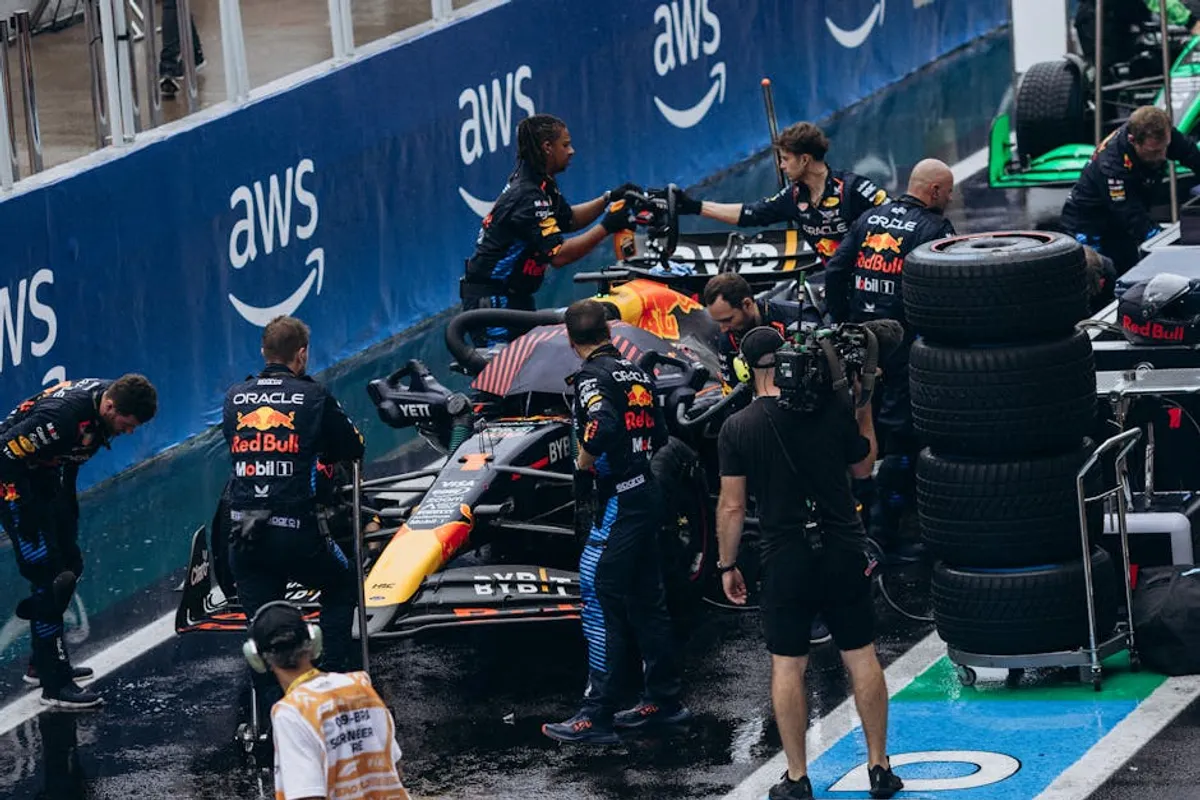
Formula 1 news extends beyond mere race results, encompassing a dynamic ecosystem of driver narratives, team strategies, and technical innovations that captivate a global audience. For publishers and content strategists, understanding the flow and impact of this news cycle is crucial for engaging a demographic known for its high disposable income, brand loyalty, and interest in technology and performance. The commercial utility lies in leveraging this consistent, high-engagement content stream to attract and retain audiences, offering opportunities for specialized content, brand partnerships, and advertising revenue. Keeping pace with Formula 1 is not just about following a sport; it is about tapping into a rich vein of stories, data, and fan passion that drives significant online activity and commercial interest.
The Core Components of Formula 1 News
Formula 1 news is multifaceted, driven by a blend of human drama, technological advancement, and competitive strategy. Each element contributes to a continuous narrative that fuels fan engagement and content creation.
Driver Narratives and Performance
The individual stories of Formula 1 drivers form a significant portion of the news cycle. This includes detailed coverage of their career trajectories, rivalries on and off the track, personal challenges, and triumphs. Performance analysis of individual drivers, their qualifying results, race finishes, and championship standings provides consistent data points for reporting. Transfers between teams, contract negotiations, and the emergence of new talent also generate substantial interest, influencing team dynamics and future championship prospects. Content focused on driver interviews, profiles, and historical comparisons often sees high engagement due to the personal connection fans feel.
Team Dynamics and Technical Developments
Beyond individual drivers, the constructors—the teams themselves—are central to Formula 1 news. This involves reporting on the technical innovations in car design, aerodynamic advancements, engine development, and strategic decisions made during race weekends, such as pit stop timing and tire management. News around team principals, engineering staff changes, budget cap compliance, and manufacturer partnerships offers insight into the organizational and financial aspects of the sport. These technical and strategic details appeal to an audience interested in engineering, business, and competitive advantage, providing opportunities for in-depth analytical content.
Race Weekend Recaps and Season Trajectories
Every Grand Prix weekend generates a wealth of news, from practice sessions and qualifying results to the main race itself. Post-race analysis covers overtakes, incidents, penalties, and the immediate implications for the Drivers' and Constructors' Championships. Throughout the season, the overarching narrative of championship battles, record-breaking achievements, and significant rule changes (e.g., new regulations for engine specifications or aerodynamic packages) provides a continuous storyline. Off-season news often focuses on car launches, testing results, and driver lineups for the upcoming year, maintaining engagement during breaks.
Why Timeliness and Accuracy Matter in F1 Reporting
The rapid pace of Formula 1 demands immediate and precise reporting. A qualifying lap time, a mid-race incident, or a post-race penalty can alter perceptions and championship standings instantly. Audiences expect real-time updates and accurate information, making speed and reliability critical for any news outlet. Misinformation, even minor inaccuracies, can erode trust quickly among a highly informed fanbase. Verifying sources, cross-referencing data, and providing immediate corrections are essential practices for maintaining credibility in this fast-moving environment.
Pro Tip: For any platform covering Formula 1, establishing a clear protocol for verifying breaking news is non-negotiable. The F1 audience is discerning; unconfirmed rumors or factually incorrect reports can significantly damage a content source's authority and long-term audience trust.
Engaging the F1 Audience: Beyond the Track
The appeal of Formula 1 extends far beyond the racetrack, offering numerous avenues for broader content engagement. Its intersection with technology, business, lifestyle, and global events provides fertile ground for diverse content strategies.
- Technological Innovation: F1 is a testbed for advanced engineering, materials science, and data analytics. Content exploring these innovations, their transfer to road cars, or their impact on other industries resonates with tech-savvy audiences.
- Global Business and Economics: The sport involves massive investments, global sponsorships, and complex logistics. Analyzing team budgets, sponsor deals, and the economic impact of Grand Prix events offers a business-oriented perspective.
- Athlete Performance and Wellness: The physical and mental demands on F1 drivers are extreme. Content on driver training, nutrition, sports psychology, and the role of support staff appeals to fitness and wellness enthusiasts.
- Luxury and Lifestyle: F1's association with high-end brands, travel, and exclusive events creates opportunities for lifestyle content, including fashion, luxury goods, and destination guides tied to race locations.
- Sustainability and Future Mobility: With F1's push towards net-zero carbon, discussions around sustainable fuels, electric vehicle technology, and environmental initiatives offer a relevant angle for forward-thinking audiences.
Best for: Publishers seeking to diversify their content offerings and attract a premium audience segment by connecting Formula 1's core appeal to broader cultural and commercial trends.
Identifying Authoritative F1 News Sources
Evaluating the credibility of Formula 1 news sources is paramount for both consumers and content creators. Authoritative sources typically exhibit several key characteristics:
First, they demonstrate a history of journalistic integrity, often with reporters who have long-standing access to teams, drivers, and governing bodies. This access translates into exclusive interviews, behind-the-scenes insights, and early information on developments. Second, strong sources prioritize factual accuracy, often citing official statements, technical documents, or multiple confirmed sources before publishing. Third, they provide depth of analysis, moving beyond simple race reports to offer strategic breakdowns, technical explanations, and informed commentary from experienced pundits. Finally, authoritative sources maintain editorial independence, ensuring their reporting is not unduly influenced by commercial partners or team affiliations, which is critical for unbiased coverage.
Practical Insights for F1 Content Strategy
For any entity looking to leverage Formula 1's appeal, a strategic approach to content is essential. Focus on creating a mix of timely updates and evergreen analytical pieces. Develop content pillars that align with the diverse interests of the F1 audience—from raw performance data to the human stories behind the helmets. Utilize multimedia formats, including video summaries, data visualizations, and interactive features, to enhance engagement. Consider partnerships with relevant brands or experts to broaden reach and authority. By consistently delivering high-quality, accurate, and engaging F1 content, you can cultivate a loyal audience, drive traffic, and open new commercial avenues aligned with this premier global sport.
Frequently Asked Questions about Formula 1 News
How often does Formula 1 news break?
Formula 1 news is a near-constant cycle, with significant updates occurring daily, especially during the racing season. Race weekends generate intense activity, while the off-season focuses on car launches, testing, and driver market movements.
What types of F1 news are most popular?
News concerning driver rivalries, championship standings, major technical innovations, and controversial race incidents typically garners the highest engagement. Human interest stories about drivers also perform consistently well.
Can F1 news be used for broader content marketing?
Absolutely. F1's strong ties to technology, luxury, global travel, and high performance make it an ideal subject for content marketing campaigns aiming to reach affluent, tech-savvy, and globally-minded audiences.
Why is accuracy crucial in F1 reporting?
The F1 fanbase is highly knowledgeable and passionate. Inaccurate reporting can quickly undermine a source's credibility and lead to a loss of audience trust, particularly with sensitive topics like rule infringements or driver health.