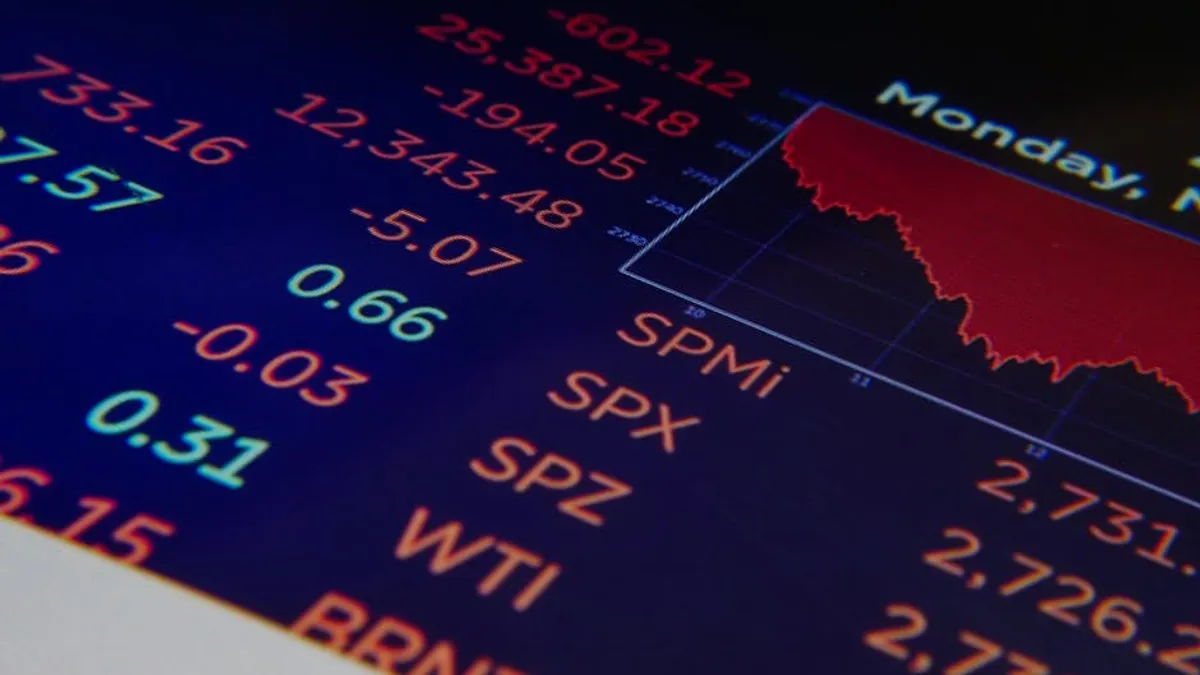
Dow Jones Futures serve as an early barometer for market sentiment, offering a glimpse into how the Dow Jones Industrial Average (DJIA) might perform when the cash market opens. For investors, business strategists, and even content marketers monitoring economic trends, understanding these futures signals is not merely academic; it’s a practical tool for anticipating market shifts and informing strategic decisions. These contracts, traded outside regular market hours, react instantaneously to global news, economic data releases, and corporate announcements, providing a real-time pulse before the broader market reacts. Interpreting these signals allows for proactive adjustments in portfolio management, capital allocation, or even identifying emerging themes for content development, moving beyond reactive analysis to a more predictive approach.
Understanding Dow Jones Futures
Dow Jones Futures are derivative contracts that allow participants to speculate on the future price of the Dow Jones Industrial Average. Specifically, the E-mini Dow Futures contract (YM) is the most actively traded, representing a fraction of the full Dow contract. These contracts obligate a buyer to purchase, or a seller to sell, the DJIA at a predetermined price on a future date. They trade almost 24 hours a day, five days a week, providing continuous price discovery even when the main stock market is closed.
Their primary function is price discovery and risk management. Futures prices reflect collective expectations about the DJIA's opening direction and potential magnitude of movement. A significant upward move in futures suggests broad market optimism, perhaps driven by positive economic news or strong earnings reports. Conversely, a downward trend signals bearish sentiment, often in response to geopolitical instability, inflation concerns, or disappointing corporate outlooks.
Key Market Signals from Futures Performance
The movement of Dow Jones Futures offers several distinct signals that can inform various business and investment strategies:
- Pre-Market Direction: The most immediate signal is whether futures are trading higher or lower than the previous day's close. This indicates the likely opening direction of the DJIA, setting the tone for the trading day. A consistent upward trend over several hours before market open suggests strong positive momentum, while a sustained decline points to potential selling pressure.
- Volatility Indicators: Large, rapid swings in futures prices, especially on higher volume, often precede significant volatility in the cash market. This can be triggered by unexpected news events, such as a central bank announcement, a major geopolitical development, or a surprise earnings miss from a bellwether company. Such volatility signals the need for increased caution or potential hedging.
- Reaction to Economic Data: Futures prices react instantly to the release of key economic indicators like GDP growth, inflation rates (CPI/PPI), employment figures (Non-Farm Payrolls), and manufacturing data (ISM PMI). A stronger-than-expected jobs report, for example, might send futures higher, reflecting investor confidence in economic growth. Conversely, an unexpected surge in inflation could lead to a futures sell-off due to fears of interest rate hikes.
- Impact of Geopolitical Developments: International events, such as trade disputes, political instability in major economies, or significant policy shifts, can have an immediate and often pronounced effect on Dow Jones Futures. These reactions provide insight into how global events are being priced into the U.S. market before it even opens.
- Corporate Earnings and News: While the DJIA is an index of 30 large companies, significant earnings reports or major corporate news from one of its components or other influential large-cap companies can influence the broader futures market. A surprise profit warning from a major tech company, for instance, might drag down futures across the board as investors anticipate broader market weakness.
Interpreting Futures Data for Strategic Advantage
Effective use of Dow Jones Futures data goes beyond simply observing price changes. It requires contextual analysis and an understanding of underlying drivers.
Price Movement and Conviction: A 50-point move in Dow futures means something different than a 500-point move. The magnitude of the move, combined with the volume of contracts traded, provides insight into the conviction behind the sentiment. A large move on high volume suggests a strong, broadly accepted shift in market outlook, whereas a similar move on low volume might indicate less conviction or be more easily reversed.
Contextual Analysis: Always correlate futures movements with concurrent news. Is there an earnings report from a major DJIA component? Was there a significant economic data release? Did a central bank official make a statement? Futures prices are a reflection of these inputs. Without understanding the "why" behind the movement, the signal loses much of its predictive power.
Time of Day: Futures activity can vary. Reactions to Asian market closes or European economic data often occur overnight for U.S. traders. Closer to the U.S. market open, futures tend to become more liquid and reactive to U.S.-specific news, offering a more direct read on domestic sentiment.
Pro Tip: Avoid making impulsive decisions based solely on short-term Dow Jones Futures fluctuations. While they offer immediate insights, sustained trends and high-volume movements are more reliable indicators. Always cross-reference futures data with broader economic news, company fundamentals, and your overall investment strategy to avoid noise-driven reactions.
Integrating Futures Signals into Business and Investment Planning
For various stakeholders, Dow Jones Futures offer actionable intelligence:
For Investors and Portfolio Managers: Futures provide an early opportunity to assess risk and adjust strategies. If futures are signaling a significant downturn, a portfolio manager might consider hedging existing positions or delaying new purchases. Conversely, strong positive futures can confirm an optimistic outlook, supporting planned investments.
For Business Strategists and Executives: Monitoring futures can inform decisions on capital expenditure, M&A activity, or even hiring. A sustained negative outlook signaled by futures might prompt a more cautious approach to expansion, while consistent positive signals could justify more aggressive growth plans, reflecting anticipated consumer confidence or economic stability.
For SEO Professionals and Marketers: Futures movements can indirectly signal shifts in consumer or business sentiment that impact content relevance and advertising effectiveness. A sharp drop in futures due to recession fears, for example, might indicate a need to adjust marketing messages from aspirational spending to value-focused solutions. Conversely, strong futures can support campaigns around premium products or growth opportunities.
Sustained Monitoring and Holistic Analysis
Dow Jones Futures are not infallible crystal balls, but rather a dynamic input into a larger analytical framework. Their value lies in their immediacy and their capacity to aggregate global sentiment into a single, tradable instrument. By consistently monitoring futures alongside economic calendars, corporate news feeds, and geopolitical developments, businesses and investors can develop a more nuanced understanding of impending market conditions. This allows for more informed decision-making, whether it involves adjusting investment portfolios, refining business strategies, or tailoring market-facing communications.
Frequently Asked Questions
What is the primary difference between Dow Jones Futures and the DJIA?
The DJIA is a cash index representing the average stock prices of 30 large, publicly traded U.S. companies. Dow Jones Futures are derivative contracts that allow traders to speculate on the *future* value of that index. Futures trade nearly 24/5, providing price discovery outside regular stock market hours, while the DJIA itself only trades during standard market hours.
When do Dow Jones Futures trade?
E-mini Dow Futures (YM) typically trade from Sunday evening through Friday afternoon, with a brief daily break. Specifically, they trade from 5:00 PM CT Sunday to 4:00 PM CT Friday, with a daily maintenance break from 3:15 PM CT to 3:30 PM CT.
Can Dow Jones Futures predict the exact market open?
While futures provide a strong indication of the likely opening direction and magnitude of the DJIA, they are not a precise predictor. Unexpected news or shifts in sentiment in the final minutes before the cash market opens can cause the actual open to differ from what futures indicated. They offer a probability, not a certainty.
Why are Dow Jones Futures important for non-traders?
For non-traders, futures are crucial for understanding broader market sentiment and economic trends. They act as an early warning system for potential market volatility or shifts in economic outlook, which can impact business planning, investment decisions in other asset classes, and even consumer behavior. It helps in anticipating market conditions rather than reacting to them after the fact.