
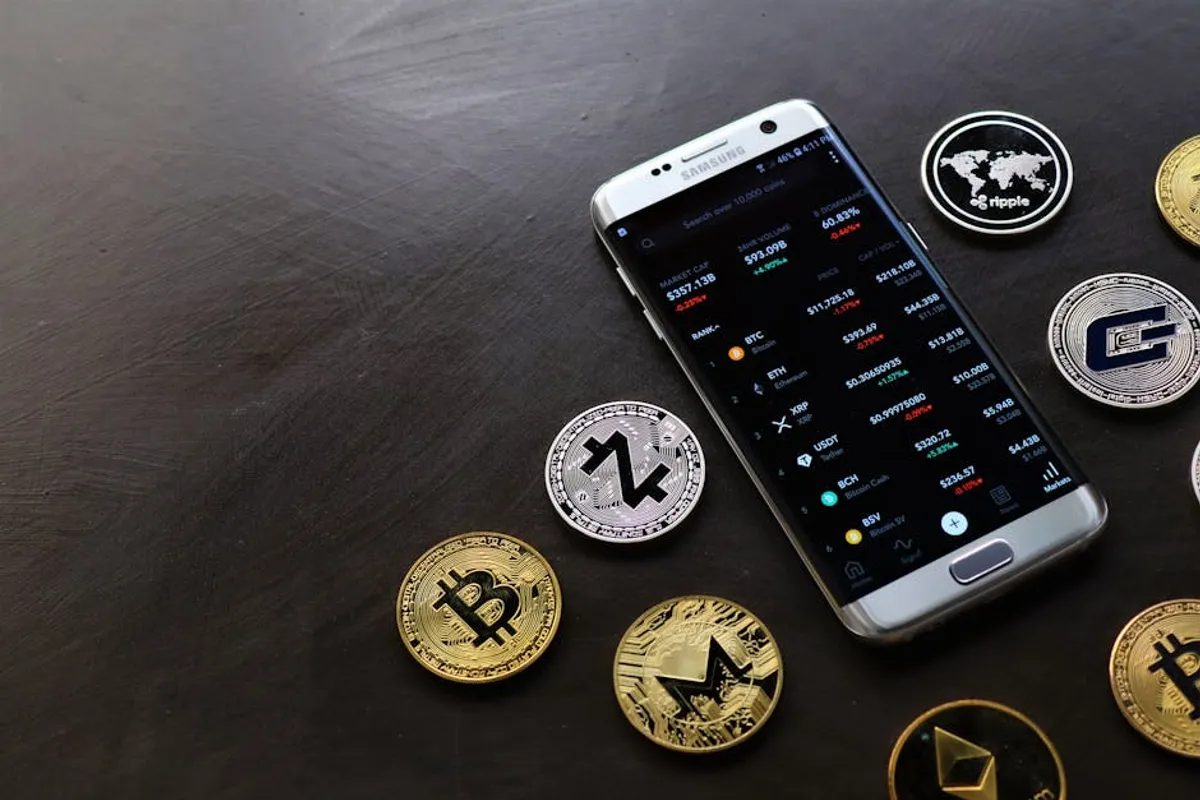
The rise of crypto casinos represents a significant shift in online gaming, offering an alternative to traditional fiat-based platforms. These digital venues leverage blockchain technology and cryptocurrencies for transactions, promising distinct advantages that appeal to a specific segment of the online gambling market. However, this innovation also introduces a unique set of considerations, from the inherent volatility of digital assets to the evolving regulatory landscape. For players contemplating engagement, understanding both the compelling benefits and the substantial risks is paramount for informed decision-making and safeguarding personal interests.
The Appeal of Crypto Casinos
Enhanced Privacy and Anonymity
Crypto casinos often facilitate a higher degree of privacy compared to traditional online casinos. Transactions are typically conducted using cryptocurrency wallets, which do not directly link to personal banking information or government-issued IDs for every deposit or withdrawal. While blockchain transactions are public, the wallet addresses themselves are pseudonymous, meaning they are not inherently tied to a user's real-world identity. This appeals to players who prioritize discretion and wish to minimize their digital footprint.
Faster Transactions and Lower Fees
One of the primary operational advantages of cryptocurrency is the speed and cost-efficiency of transactions. Deposits and withdrawals at crypto casinos can often be processed significantly faster than traditional banking methods, which may involve bank holidays, processing delays, and intermediary fees. Cryptocurrency transactions, particularly with certain altcoins, can clear in minutes, and network fees (gas fees) are often lower than conventional payment processing charges, especially for international transfers.
Provably Fair Gaming
Many crypto casinos implement "provably fair" gaming systems, a concept unique to blockchain technology. This system uses cryptographic algorithms to allow players to verify the fairness of each game outcome. Before a game begins, the server generates a hashed seed, and the player provides their own seed. These seeds, combined with a nonce, determine the game's outcome. After the game, players can use the server's unhashed seed and their own inputs to confirm that the outcome was not manipulated. This transparency builds a higher level of trust by eliminating the need to rely solely on the casino's word.
Global Accessibility
Cryptocurrencies operate independently of national borders and traditional banking systems. This global nature means that crypto casinos can often cater to a wider international audience, including players from regions where traditional online gambling might be restricted or difficult due to banking limitations. As long as internet access is available, and local laws permit, players can access and transact on these platforms without the friction of conventional financial intermediaries.
Navigating the Risks
Volatility of Cryptocurrencies
The value of cryptocurrencies is notoriously volatile. A player's deposit, if held in a cryptocurrency like Bitcoin or Ethereum, can fluctuate significantly in value even over a short period. This means that the real-world value of winnings or remaining balances can decrease substantially between the time of deposit and withdrawal, impacting a player's overall financial outcome regardless of game performance. Conversely, values can increase, but the risk of depreciation is a constant factor.
Regulatory Uncertainty
The legal and regulatory landscape surrounding cryptocurrencies and crypto gambling is still evolving and varies widely across jurisdictions. Some countries have embraced it, while others have outright banned it or have no clear regulations. This uncertainty can expose players to legal risks depending on their location, and it can also mean that consumer protection mechanisms common in regulated fiat gambling markets may not apply. Players must understand the legal status in their specific region before engaging.
Security Vulnerabilities and Scams
While blockchain technology itself is robust, the platforms built upon it are not immune to security threats. Crypto casinos can be targets for hacking, phishing, and other cyberattacks, potentially leading to loss of funds. Furthermore, the decentralized nature of crypto means that once funds are transferred, they are often irreversible. The proliferation of unregulated platforms also means a higher risk of encountering outright scams, where platforms disappear with player deposits or manipulate game outcomes without recourse.
Lack of Chargeback Protections
Unlike credit card transactions, which often come with chargeback protections, cryptocurrency transactions are generally irreversible. If a player sends funds to a fraudulent casino or makes an error in a transaction, there is typically no mechanism to reclaim those funds. This places a significant onus on the player to exercise extreme caution and due diligence before committing any funds to a crypto casino.
Pro Tip: Always use a strong, unique password and enable two-factor authentication (2FA) on any crypto casino account and your cryptocurrency wallet. Never share your private keys or seed phrases with anyone, and be wary of unsolicited communications claiming to be from casino support.
Prioritizing Player Safety and Due Diligence
Verifying Licensing and Regulation
The first step in assessing a crypto casino is to verify its licensing and regulatory status. While not all crypto casinos are regulated by traditional gambling authorities, reputable ones often seek licenses from jurisdictions known for their online gaming oversight, such as Curaçao, Malta, or the Isle of Man. A clear display of licensing information, often found in the footer of the website, is a positive indicator. Lack of any verifiable license should be a significant red flag.
Assessing Security Protocols
Examine the security measures implemented by the casino. Look for:
- SSL Encryption: Indicated by "HTTPS" in the URL and a padlock icon, ensuring data transmitted between you and the site is encrypted.
- Two-Factor Authentication (2FA): An essential layer of security for logging in and processing withdrawals.
- Cold Storage: Some reputable casinos store a significant portion of their crypto assets in "cold storage" (offline wallets) to protect against online hacks. While not always publicly disclosed, it's a good practice.
- Regular Audits: Independent security audits can confirm the integrity of the platform.
Understanding Terms and Conditions
Before depositing, thoroughly read and understand the casino's terms and conditions, especially concerning deposits, withdrawals, bonus policies, and dispute resolution. Pay close attention to withdrawal limits, processing times, and any hidden fees. Vague or overly restrictive terms can indicate a platform that may make it difficult to access your winnings.
Responsible Gaming Tools
Reputable crypto casinos, like their fiat counterparts, should offer responsible gaming tools. These might include options for setting deposit limits, loss limits, self-exclusion periods, or temporary account freezes. The presence of such tools indicates a commitment to player welfare and responsible operation.
Practical Considerations for Engagement
Engaging with crypto casinos requires a methodical approach. Start by researching multiple platforms, comparing their security features, game selection, customer support responsiveness, and user reviews. Begin with smaller deposits to test the withdrawal process and overall platform reliability before committing larger amounts. Diversifying your cryptocurrency holdings can mitigate some volatility risk, but it's crucial to only gamble with funds you can afford to lose, recognizing the inherent speculative nature of both gambling and cryptocurrency investment.
Frequently Asked Questions
Are crypto casinos legal?
The legality of crypto casinos depends entirely on your geographical location and its specific laws regarding both online gambling and cryptocurrency. Some regions have clear regulations, while others have bans or operate in a gray area. It is the player's responsibility to ascertain the legal status in their jurisdiction.
How secure are my funds in a crypto casino?
The security of your funds depends on the specific casino's security protocols, including encryption, 2FA, and cold storage practices. While blockchain transactions are secure, the casino platform itself can be vulnerable to hacks or scams. Always choose licensed and reputable platforms and implement your own security measures.
What is "provably fair" gaming?
Provably fair gaming uses cryptographic algorithms to allow players to verify the fairness of each game outcome. It ensures that the casino cannot manipulate results, providing a transparent and verifiable gaming experience where players can independently confirm the integrity of each round.
Can I use any cryptocurrency at a crypto casino?
Most crypto casinos support major cryptocurrencies like Bitcoin (BTC), Ethereum (ETH), Litecoin (LTC), and Tether (USDT). Some may accept a wider range of altcoins. Always check the specific cryptocurrencies supported by a casino before attempting a deposit.