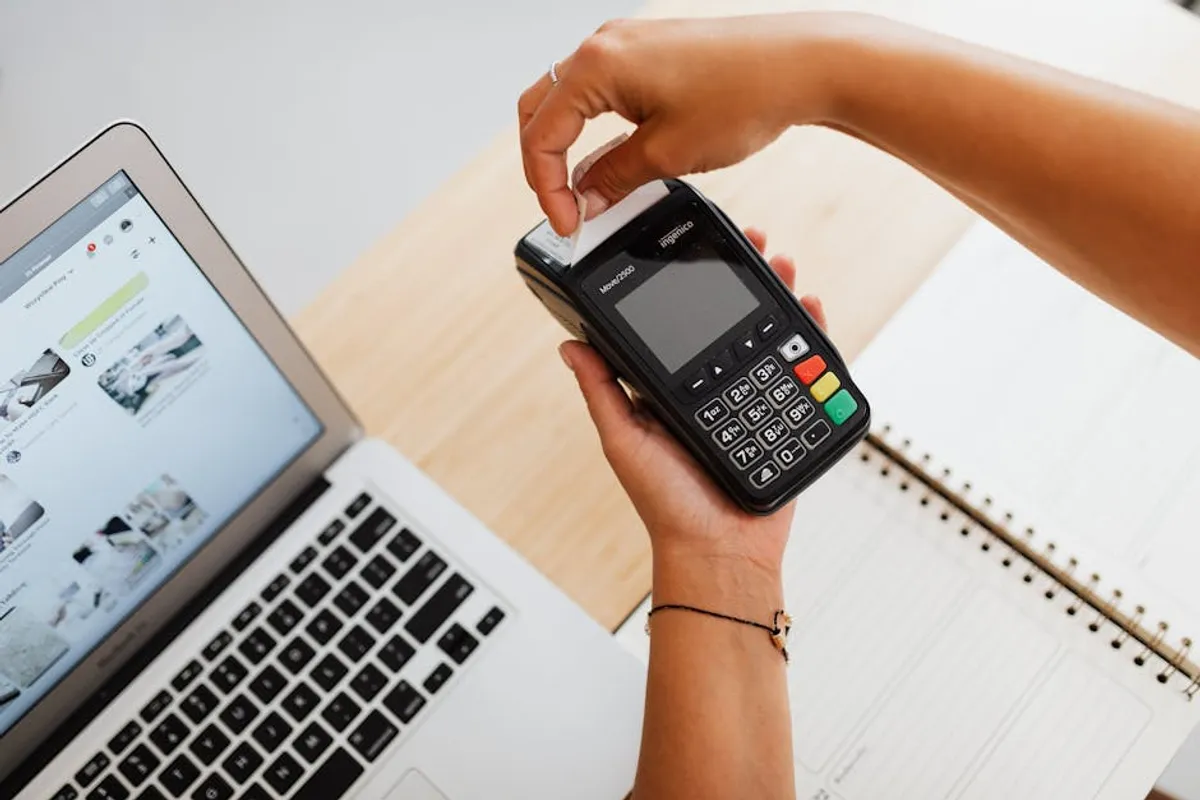
Selecting the right payment methods for an online casino platform is a strategic decision that directly impacts player acquisition, retention, and operational efficiency. Each option carries distinct advantages and disadvantages concerning transaction speed, security protocols, associated costs, and user experience. Understanding these nuances is crucial for operators aiming to optimize their payment infrastructure and cater effectively to diverse player preferences. This comparison examines the operational implications and player benefits of traditional card payments, agile e-wallets, and emerging cryptocurrency solutions.
Credit and Debit Cards: Established Trust and Broad Acceptance
Credit and debit cards, primarily Visa and Mastercard, remain a foundational payment method in the online casino industry due to their widespread acceptance and player familiarity. These methods leverage established financial networks, offering a sense of security through bank-level encryption and fraud prevention systems.
- Transaction Mechanism: Players input card details directly or via a payment gateway. Deposits are typically instantaneous, allowing immediate gameplay. Withdrawals, however, route through banking systems, often taking 3-5 business days to clear.
- Security Features: Transactions are protected by PCI DSS compliance standards, requiring strict data security measures from merchants. Card networks also offer chargeback mechanisms, providing a layer of consumer protection against unauthorized transactions or service disputes.
- Operational Considerations: Operators benefit from high user trust and conversion rates for initial deposits. However, they must manage higher processing fees (typically 1.5% to 3% per transaction) and the potential for chargebacks, which can incur additional fees and administrative overhead. Banks may also flag or decline gambling-related transactions in certain jurisdictions, impacting player deposit success rates.
Best for: Players seeking widely recognized, straightforward deposit options and operators targeting a broad, less tech-savvy demographic who value traditional banking security.
E-Wallets: Speed, Privacy, and Enhanced User Experience
E-wallets like PayPal, Skrill, and Neteller have gained significant traction for their speed, convenience, and an added layer of privacy. They act as intermediaries between a player's bank account or card and the casino, eliminating the need to share sensitive financial details directly with multiple gaming sites.
- Transaction Mechanism: Players link their e-wallet to a bank account or card, then deposit funds to the e-wallet. Transactions to and from casinos are typically instant for deposits and often processed within 24-48 hours for withdrawals, significantly faster than card payments.
- Security Features: E-wallets employ advanced encryption and two-factor authentication (2FA) to secure accounts. The primary security advantage for players is the tokenization of financial data, meaning their bank details are never directly exposed to the casino operator.
- Operational Considerations: E-wallets can reduce chargeback risk for operators as the liability often shifts to the e-wallet provider. Processing fees are generally comparable to or slightly lower than card payments (1% to 2.5%). Offering e-wallets can improve player satisfaction due to faster withdrawals, a key differentiator in player retention. However, some e-wallets may not be eligible for welcome bonuses, which can be a point of friction for players.
Best for: Players prioritizing rapid withdrawals and enhanced privacy, and operators aiming to improve payout speeds and reduce direct handling of sensitive financial data.
Cryptocurrencies: Anonymity, Decentralization, and Global Reach
Cryptocurrencies such as Bitcoin, Ethereum, and Litecoin represent a newer, decentralized payment paradigm. They offer a distinct set of features appealing to a niche but growing segment of online casino players and operators.
- Transaction Mechanism: Players transfer cryptocurrency directly from their digital wallet to the casino's wallet. Transactions are processed on a blockchain network. Deposit times vary by cryptocurrency and network congestion but are generally fast, often within minutes for confirmation. Withdrawals follow a similar process.
- Security Features: Transactions are secured by cryptographic encryption and the immutable nature of blockchain technology. Once confirmed, transactions cannot be reversed, which eliminates chargeback fraud. Players benefit from pseudonymity, as transactions are recorded on the public ledger but not directly linked to personal identities.
- Operational Considerations: Operators benefit from extremely low transaction fees (often a fraction of a percent or a flat, small network fee) and the complete elimination of chargeback risk. The decentralized nature bypasses traditional banking restrictions, facilitating global transactions. However, operators must contend with cryptocurrency price volatility, which can impact the real-world value of deposits and withdrawals, and the technical complexity of managing crypto wallets and conversions. Player adoption is also lower due to the technical barrier to entry.
Best for: Players seeking high levels of anonymity, low transaction fees, and global accessibility, and operators targeting tech-savvy audiences and seeking to minimize chargeback exposure and expand into markets with restrictive banking regulations.
Pro Tip: For online casino operators, a diversified payment portfolio is not merely a convenience; it is a critical component of market penetration and player trust. Each payment method caters to different player segments and regulatory environments. Regularly assessing the performance, security, and cost-effectiveness of each option is essential for optimizing player conversion funnels and maintaining compliance. Prioritize payment providers that offer robust API integrations, comprehensive fraud prevention tools, and transparent reporting to streamline operations and enhance the overall player experience.
Key Considerations for Payment Method Selection
When curating a payment method lineup, several factors demand close scrutiny beyond the basic transaction mechanics:
Transaction Speed: Players value instant deposits and rapid withdrawals. Slow withdrawal processes are a primary cause of player dissatisfaction and churn. E-wallets and cryptocurrencies generally outperform cards in withdrawal speed.
Fees: Transaction fees can impact both the operator's profitability and the player's effective bankroll. Operators must balance their costs with competitive pricing. Cryptocurrencies often have the lowest transaction costs, while cards can be higher due to network fees and interchange rates.
Security and Privacy: Robust security measures protect player funds and data, building trust. Privacy concerns are also a significant driver for some players, making e-wallets and crypto attractive due to their reduced sharing of personal financial information.
Bonus Eligibility: Some payment methods, particularly certain e-wallets, are occasionally excluded from welcome bonus offers due to historical bonus abuse patterns. Clear communication on bonus eligibility is vital to prevent player frustration.
Geographic Restrictions and Regulations: Payment method availability and legality vary significantly by region. Operators must comply with local financial regulations and payment processing laws, which can dictate which options can be offered to players in specific markets.
Optimizing Your Payment Infrastructure
The optimal payment strategy for an online casino involves more than simply offering a wide array of options. It requires a nuanced understanding of the target audience, regulatory landscape, and operational costs associated with each method. By analyzing player demographics and preferences, operators can prioritize methods that resonate most strongly with their core users, while also considering the commercial implications of fees, fraud prevention, and processing times. A well-chosen payment ecosystem enhances player satisfaction, reduces friction in the deposit and withdrawal process, and ultimately contributes to the long-term success and profitability of the platform.
Frequently Asked Questions
Are casino payment methods secure?
Yes, reputable online casinos employ advanced encryption (SSL) to protect all transactions. Payment providers themselves use their own security protocols, including fraud detection and data protection, to safeguard financial information.
Which payment method offers the fastest withdrawals?
E-wallets (like PayPal, Skrill, Neteller) and cryptocurrencies typically offer the fastest withdrawal times, often processing within 24-48 hours or even instantly after the casino's internal approval process. Bank transfers and card withdrawals can take several business days.
Do all payment methods qualify for casino bonuses?
No, some online casinos exclude specific payment methods, particularly certain e-wallets, from welcome bonus offers. Players should always review the terms and conditions of any bonus to confirm eligibility before making a deposit.
Can I use different methods for deposits and withdrawals?
While often possible, casinos generally prefer players to use the same method for both deposits and withdrawals as a measure against money laundering. If a deposit method (like certain prepaid cards) does not support withdrawals, an alternative withdrawal method (e.g., bank transfer) will be required after verification.